
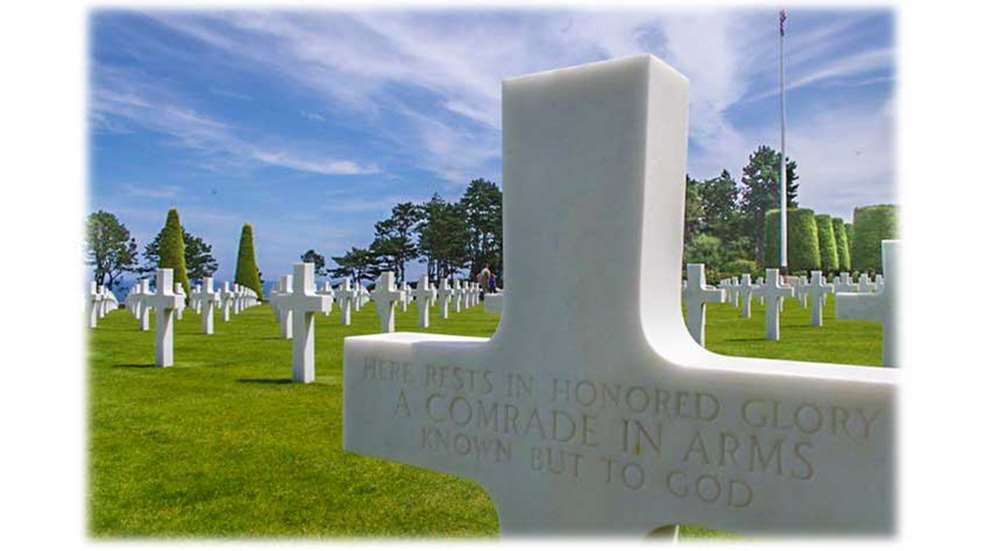
Memorial Day is one federally recognized holiday with origins shrouded in mystery and a purpose that still is not widely recognized by many in the United States. Like other holidays and ceremonies today, the modern American practice of acknowledging those who died in conflict stems largely from our country’s devastating experience in the Civil War. Though no accurate number exists, it is suspected that the war was responsible for as many as 800,000 deaths resulting from combat wounds or sickness, more deaths than were suffered in every other American war combined.
In the decades following the Civil War, veteran groups emerged. Those who were marked indelibly by their experience of the conflict sought to gain some recognition and understanding of the sacrifice and devastation wrought on countless battlefields across the American continent.
Even then, members of these organizations complained about a lack of respect shown by the younger generation. In 1913, one elderly veteran from Indiana remarked that those born since the war had a tendency to “forget the purpose of Memorial Day and make it a day for games, races and revelry instead of a day of memory and tears.”
 My Media Portfolio